1. Make the vehicle safe
Nobody sits inside. The crew sets up protection and puts on gloves, eye protection and protective clothing.
Trinity, TX · Trinity County
Fluids soak into foam, seams and carpet far past what the eye sees. Call (877) 812-4220 in Trinity for hazmat car cleaning that checks beneath the seats, removes what cannot be saved and disinfects the rest.
If anyone is in danger, call 911 first. For a suicide crisis, call or text 988.
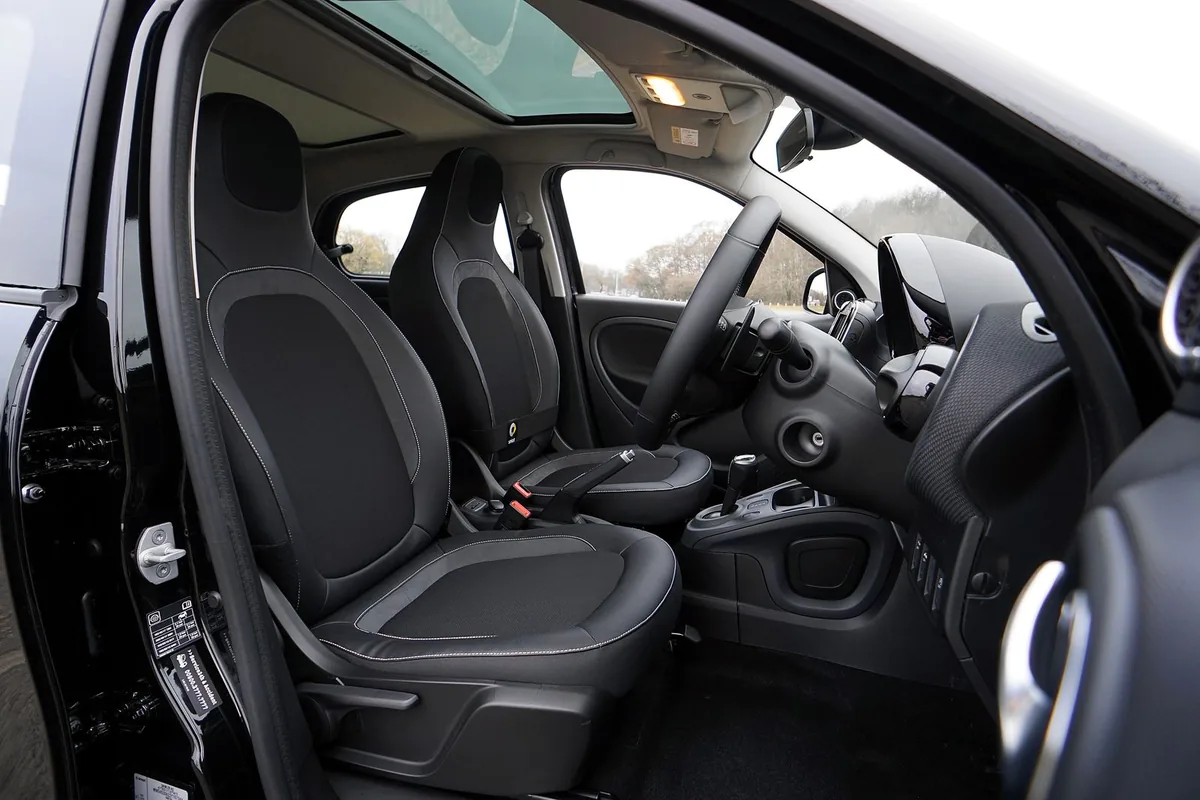
Vehicle biohazard remediation means returning a contaminated vehicle to a safe, usable condition. It includes containment, removal of soaked parts, disinfection, odor treatment and waste disposal.
Residents and businesses in Trinity call Trinity Biohazard Cleanup Help for biohazard vehicle cleaning, odor removal and safe disposal of contaminated materials. Service reaches across Trinity County and the towns around it, so wherever you are, you can get help.
In Trinity, summer heat bakes odors into foam, headliner and vents, which is why the source must be removed instead of masked. Conroe is a drive of about 63 minutes from Trinity, and cleanup crews cover the area between the two.
Vehicle Biohazard Cleanup in Trinity usually includes:
Nobody sits inside. The crew sets up protection and puts on gloves, eye protection and protective clothing.
Cleaners set up protection, seal off the working area and keep people away from the vehicle.
Contaminated parts that cannot be saved come out. Surfaces that stay are cleaned layer by layer.
Bagged waste leaves with the crew. The interior is checked and the vehicle is returned for normal use.
Vehicle biohazard cleanup in Trinity, TX typically costs $500 to $5,000, depending on the size of the affected area and the materials involved.
How long the contamination sat affects the work. Dried and aged fluids, and heat-baked odors, need extra steps to treat safely.
| Type of job | Typical range |
|---|---|
| Vehicle biohazard cleanup | $500 - $5,000 |
Published ranges only (BioCleaners Directory); every vehicle biohazard cleanup job in Trinity is priced after an on-site look. Price drivers include type of interior materials, how serious the event was, time since the event, air system decontamination. Questions? Call (877) 812-4220.
Yes. Blood can carry bloodborne pathogens such as hepatitis B and HIV. Dried blood can still be hazardous, and enclosed cabins hold odor. That is why the area is cleaned with protection and disinfected.
It depends on the vehicle, the amount of contamination and how much has to be removed. A single stained seat is a shorter job than a cabin with fluids on many surfaces. Odor treatment can add time.
It usually means the interior was contaminated by blood, body fluids or similar material, and cleaning or repair is needed. Insurers and sellers may use the phrase when a vehicle was exposed to hazardous contamination.
It does not cover regular car accidents. If a crime happened in the vehicle, ask the Attorney General's office whether your case qualifies, at (800) 983-9933. Businesses and organizations cannot apply.
Cleaners follow rules designed to protect workers and the public from bloodborne pathogens, including the OSHA Bloodborne Pathogens Standard, 29 CFR 1910.1030. They wear PPE and use EPA-registered disinfectants.
Yes. Waste is lifted with protection, soaked materials are removed and surfaces are disinfected. Urine travels deep into foam, so seats may need to be taken out or replaced if the smell remains.
One call starts the cleanup, disinfection and disposal.
Call (877) 812-4220